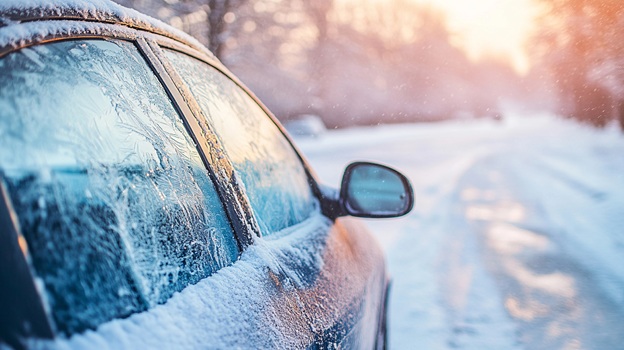

Winter car maintenance in Knoxville TN
Winter car maintenance becomes critical as temperatures drop and vehicles are exposed to conditions they are not used to handling year-round. Cold air affects metal, rubber, fluids, and electronic systems in ways that often catch drivers off guard. As components contract and fluids thicken, even reliable vehicles may begin behaving unpredictably. Understanding these changes helps drivers stay proactive instead of reactive.
Many winter-related vehicle problems do not appear all at once. Instead, they develop gradually as cold weather stresses different systems. Small issues that go unnoticed can quickly escalate when freezing temperatures persist. This is why winter car maintenance is not optional but essential for long-term reliability. Preparation ensures your vehicle continues to perform safely despite harsh conditions.
Why Winter Car Maintenance Prevents Cold-Weather Breakdowns
Winter car maintenance plays a key role in preventing unexpected breakdowns when temperatures fall. Fluids move more slowly in cold conditions, forcing engines and transmissions to work harder. When systems struggle under this strain, wear accelerates and performance declines. Addressing these concerns early reduces the likelihood of roadside issues.
Drivers in areas with fluctuating winter temperatures often underestimate how quickly conditions change. One cold night can expose weaknesses in a vehicle’s systems. Regular inspections help identify vulnerabilities before they cause failures. Winter car maintenance in Knoxville TN allows drivers to maintain confidence even during severe weather.
How Cold Temperatures Affect Engine and Transmission Fluids
Cold weather vehicle issues often begin with fluid performance changes. Engine oil thickens as temperatures drop, making it harder to circulate properly. This increases strain on the oil pump and delays lubrication during startup. Over time, repeated cold starts without proper flow can increase engine wear.
Transmission fluid reacts similarly, becoming sluggish and reducing shifting efficiency. When fluid cannot move freely, gear changes may feel delayed or rough. In extreme cases, movement may be restricted altogether. Proper fluid selection and condition checks help mitigate these cold weather vehicle issues.
Battery Performance and Winter Starting Problems
A vehicle’s battery is particularly vulnerable during winter months. Cold temperatures reduce the chemical reactions needed to generate power. At the same time, engines require more energy to start in cold conditions. This combination places heavy stress on older or weaker batteries.
Routine testing before winter helps avoid sudden failures. Even batteries that performed well in warmer months can struggle when temperatures drop. Drivers who plan ahead reduce the risk of being stranded. Addressing battery health is an important part of winter car maintenance planning.
Tire Pressure Changes and Handling Risks
Air pressure inside tires decreases as temperatures fall, often without drivers noticing immediately. Lower pressure increases rolling resistance and reduces traction. This affects braking distance, steering response, and fuel efficiency. Maintaining proper inflation is essential for winter safety.
Checking tire pressure regularly during winter helps preserve handling performance. Cold mornings often reveal pressure loss that develops overnight. Correcting it improves stability on wet or icy roads. Tire care supports safer winter driving preparation Knoxville TN drivers rely on.
Fuel System Concerns in Cold Weather
Fuel systems are not immune to winter challenges. Moisture condensation inside fuel lines can freeze and restrict fuel flow. When this happens, engines may hesitate, stall, or fail to start altogether. Keeping fuel levels higher reduces condensation risk.
Regular driving also helps prevent moisture buildup. Vehicles that sit unused for long periods are more susceptible to frozen fuel components. Awareness of this risk supports smoother winter operation. Preventive habits minimize fuel-related disruptions.
Electronics and Displays in Cold Conditions
Winter car maintenance in Knoxville TN
Modern vehicles rely heavily on electronic displays and controls. Cold temperatures slow the response of liquid crystal displays, causing delayed or erratic behavior. While these issues are usually temporary, they can be frustrating during cold starts. Warming the cabin gradually restores normal function.
Electronic systems benefit from consistent winter use rather than prolonged inactivity. Allowing the vehicle to warm properly helps protect sensitive components. Understanding this behavior prevents unnecessary concern. Electronics respond best when cold exposure is managed carefully.
Rubber Components and Cold-Induced Wear
Rubber components stiffen in cold temperatures, increasing the risk of cracking or tearing. Belts, hoses, seals, and wiper blades all become less flexible. As a result, they are more likely to fail under stress. Inspecting rubber parts is a key element of seasonal auto maintenance checklist planning.
Door seals may also freeze, making entry difficult and damaging gaskets over time. Simple preventive measures help maintain flexibility. Replacing worn rubber components before winter reduces inconvenience. Rubber care supports overall vehicle durability.
Traction Challenges and Tire Selection
Cold climate car care tips often emphasize traction because rubber compounds harden in low temperatures. Standard tires lose grip as the rubber stiffens, especially on icy surfaces. This reduces control when braking or turning. Tire selection directly affects winter driving safety.
Drivers in colder regions may benefit from winter-specific tires designed for low temperatures. These tires remain flexible and provide improved traction. Evaluating tire condition before winter improves road confidence. Traction management is essential for safe cold-weather driving.
Professional Support for Winter Car Maintenance
Professional inspections help identify issues that drivers may overlook. Technicians understand how cold affects each vehicle system. They can recommend appropriate fluids, components, and adjustments for winter use. Expert evaluation improves preparedness.
Drivers in Knoxville TN benefit from working with experienced technicians familiar with local winter conditions. Miller Brothers Transmission Auto Repair and Body Shop provides guidance tailored to regional weather patterns. Their expertise helps drivers stay ahead of seasonal challenges. Professional care simplifies winter readiness.
Staying Reliable Through the Winter Season
Vehicle reliability during winter depends on preparation and consistency. Regular checks reduce unexpected failures and improve safety. Drivers who prioritize winter car maintenance experience fewer disruptions. This proactive approach saves time and reduces stress.
Miller Brothers Transmission Auto Repair and Body Shop supports drivers with thorough winter inspections and repairs. Their service focuses on long-term reliability rather than quick fixes. Winter readiness begins with informed decisions. Preparation keeps vehicles performing when conditions are toughest.
Questions About Winter Car Maintenance
Why is winter car maintenance more important than other seasons?
Cold temperatures affect fluids, batteries, tires, and rubber components simultaneously, increasing the risk of breakdowns without proper preparation.
How often should winter car maintenance checks be done?
Basic checks should be performed at the start of winter and monitored regularly throughout the season as temperatures fluctuate.
Can winter car maintenance improve fuel efficiency?
Yes, maintaining proper tire pressure, fluid condition, and engine performance helps reduce fuel loss caused by cold weather resistance.
Winter conditions demand attention, not guesswork. A proactive approach to winter car maintenance protects your vehicle from preventable damage. Consistent inspections and professional guidance make a measurable difference. Contact Miller Brothers Transmission Auto Repair and Body Shop today to schedule your winter vehicle inspection and drive through the season with confidence.
Like our Facebook page for more information about auto services.
Miller Brothers Auto Repair and Collision Center
7123 Tazewell Pike
Corryton, TN 37721
(865) 689-5072
https://www.millerbrosautorepair.com/
Serving Knoxville, TN and Knox County
Service areas include: All of Knox County, Corryton, Fountain City, Halls Crossroads, Powell and Knoxville