After the accident scene is cleared and the insurance calls begin, you still face an important question: Is your vehicle safe to drive? Professional auto collision repair in Knoxville TN starts with finding problems that may not be obvious from the outside.
Miller Brothers Auto Repair and Collision Center helps drivers understand what to do next after a crash. A careful evaluation can identify safety concerns, explain repair priorities, and prevent a small problem from becoming a larger expense.
Can I Drive My Car Before Collision Repairs?
Driving after a collision may be possible in some cases. However, the vehicle’s appearance alone cannot confirm that it is safe.
A bumper may look scratched while brackets, sensors, wiring, or impact-absorbing parts behind it have failed. Therefore, you should check for warning signs before moving the vehicle.
Do not drive when you notice any of the following problems:
- Leaking oil, coolant, fuel, or another fluid
- A tire rubbing against the vehicle body
- Loose panels or hanging parts
- Broken headlights, brake lights, or turn signals
- Smoke, burning smells, or unusual heat
- A hood, trunk, or door that will not latch
- Steering that feels loose, stiff, or off-center
- New dashboard warning lights
- Grinding, scraping, or knocking sounds
- Deployed airbags or damaged seat belts
Even when none of these signs appear, remain cautious. If the car pulls, shakes, overheats, or makes a new noise, stop in a safe place and request help.
Local traffic conditions can also affect your decision. A vehicle that seems manageable at low speed may become unstable on a busy road, especially during braking, turning, or lane changes.
Why Starting the Engine is not Enough
Do not assume the vehicle is safe simply because it starts. A running engine does not confirm that the brakes, frame, suspension, wheel alignment, sensors, and restraint systems still work correctly.
In addition, some problems may not appear until the vehicle reaches a higher speed. For example, a bent wheel or damaged suspension component may cause vibration only after you begin driving faster.
Why a Professional Evaluation Matters
A car inspection after a collision provides information that a quick walkaround cannot reveal. The repair team can examine the steering, wheels, cooling system, body structure, lights, and electronic safety features.
The first evaluation also creates a record of the vehicle’s condition. As a result, the team can prepare a clearer estimate and identify areas that may require further examination during teardown.
Auto Collision Repair in Knoxville TN and Damage You Cannot See
Hidden collision damage often sits behind bumpers, fenders, interior trim, or underbody panels. Therefore, a small dent can conceal bent supports, cracked mounts, damaged wiring, or shifted structural points.
Some problems appear immediately. However, others develop during the hours or days after the accident.
Watch for changes such as:
- The vehicle pulling to one side
- New steering wheel vibrations
- Uneven or rapid tire wear
- One tire repeatedly losing pressure
- Poor gaps between body panels
- A door requiring extra force to close
- The hood or trunk sitting unevenly
- Water entering the cabin
- New wind noise while driving
- Paint cracking near the impact area
Modern vehicles also use cameras, radar units, parking sensors, and other driver-assistance equipment. Even a slight impact can move one of these components out of position.
As a result, a feature may appear to work while giving incorrect information. Related systems may need testing or calibration after the physical repairs are complete.
Mechanical Problems Caused by Body Impacts
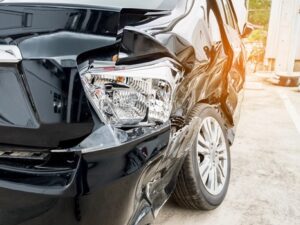
Collision repair in Knoxville TN
A front-end crash can affect the radiator, hoses, cooling fans, air-conditioning components, and electrical connections. Meanwhile, a side impact can damage doors, hinges, wheels, or suspension parts.
Rear impacts may affect the exhaust system, trunk floor, parking sensors, and bumper reinforcement. Therefore, the impact location helps guide the inspection, but it does not always show the full repair scope.
At this stage, Miller Brothers Auto Repair and Collision Center can compare visible damage with changes in the way the vehicle handles and functions. This broader approach helps connect body damage with related mechanical or electronic concerns.
Signs the Damage May Be More Serious
Some symptoms develop slowly rather than immediately. For example, a small coolant leak may leave only a few drops at first, while a bent suspension part may cause gradual tire wear.
Pay attention when warning lights appear after the crash. Also, note any change in braking, acceleration, steering, cabin noise, or fuel economy.
An experienced auto technician can trace these symptoms to the affected systems. Consequently, you receive a repair plan based on evidence instead of guesswork.
Why Waiting Can Increase Repair Costs
Delayed collision repair can allow minor problems to spread. Exposed metal may rust, cracked paint may peel, and loose panels may continue to shift.
Likewise, misaligned wheels can wear tires faster. A small cooling-system leak may also become worse as the vehicle continues to heat and cool.
Electrical damage can create additional trouble over time. For instance, pinched wiring may drain the battery, trigger warning lights, or cause related features to stop working.
Continued Driving May Expand the Damage
A loose splash shield may eventually tear away. Similarly, a rubbing tire can suffer sidewall damage and become unsafe.
A bent alignment component may also place extra stress on nearby parts. Therefore, postponing the work can turn one damaged component into several needed repairs.
Waiting may also make documentation more difficult. The longer the gap between the crash and the inspection, the harder it may be to connect every newly discovered problem to the original impact.
Protecting Safety and Vehicle Value
Timely repairs help protect more than the vehicle’s appearance. They support proper operation, reduce the risk of breakdowns, and help preserve long-term value.
Choose an auto body shop that looks beyond dents and paint. Complete collision work may involve structural measurements, parts replacement, mechanical testing, refinishing, and safety-system calibration.
Likewise, working with an auto repair shop that can address related mechanical concerns may reduce delays. A coordinated process allows the team to inspect connected systems instead of treating each symptom as a separate problem.
Keep copies of your photos, estimates, insurance messages, repair orders, and receipts. These records help you track what the team found, what the insurer approved, and what work was completed.
What To Do Before Your Appointment
First, write down every new sound, leak, warning light, or handling change. Next, take clear photos of the damaged area and any visible fluid beneath the vehicle.
Avoid washing, polishing, or attempting cosmetic fixes before the inspection. Those actions may hide scratches, transfer marks, cracks, or other useful signs of impact.
Finally, ask the repair facility whether the vehicle should be driven or towed. Clear information allows the team to prepare for your arrival and reduces uncertainty.
You do not need to decide whether the damage is minor on your own. A trained repair team can inspect the vehicle, explain what needs immediate attention, and outline the next steps.
Miller Brothers Auto Repair and Collision Center serves drivers who need dependable guidance after an accident. Schedule an inspection today so you can address the damage early and return to the road with greater confidence.
Like our Facebook page for more great info about auto services.
Miller Brothers Auto Repair and Collision Center
7123 Tazewell Pike
Corryton, TN 37721
(865) 689-5072
https://www.millerbrosautorepair.com/
Serving Knoxville, TN and Knox County
Service areas include: All of Knox County, Corryton, Fountain City, Halls Crossroads, Powell and Knoxville